
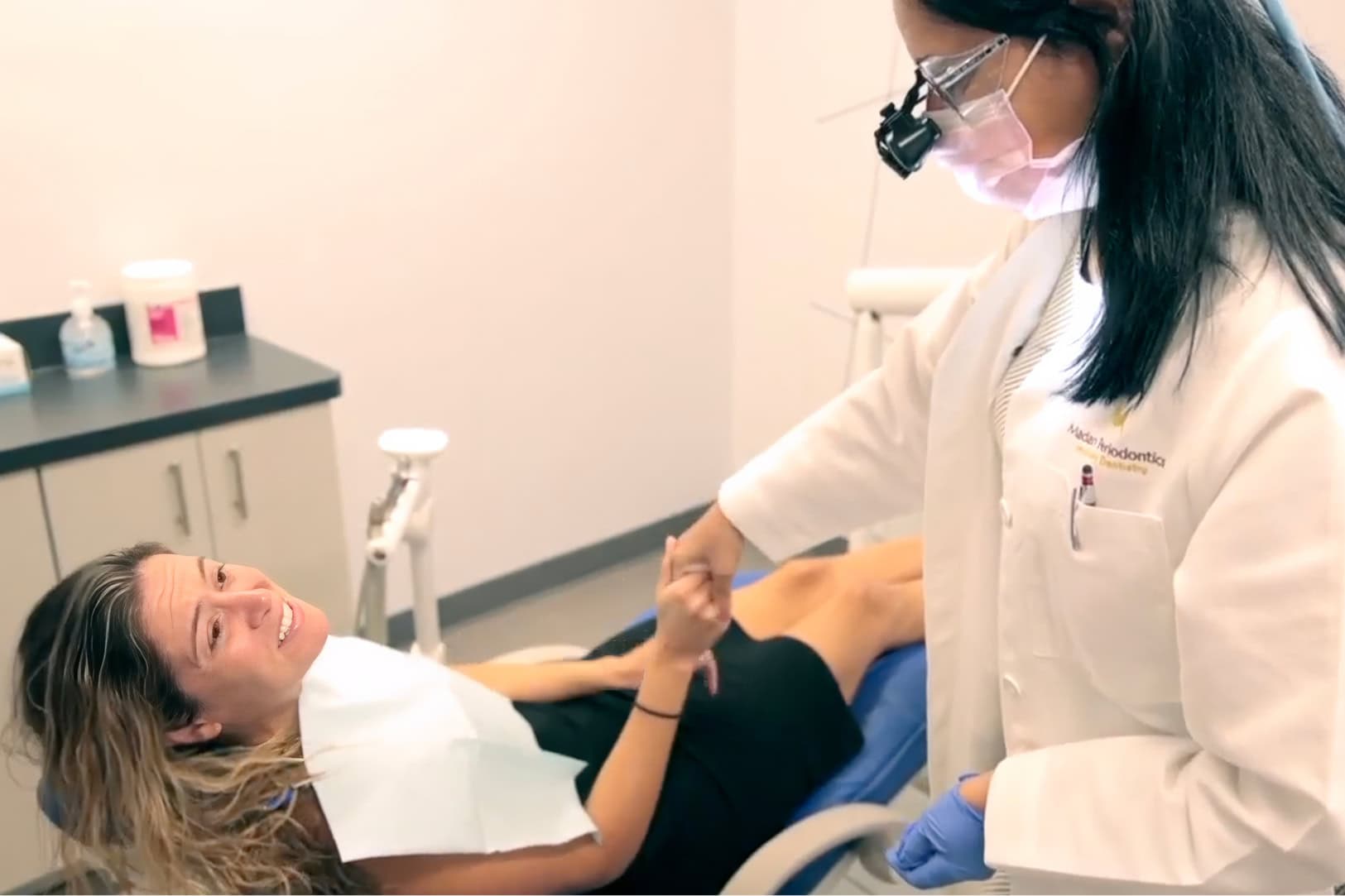
Hearing the phrase “root canal” can make many people nervous, but the truth is far from the myths. Root canal treatment is a safe, highly effective procedure designed to relieve pain—not cause it. In fact, it’s one of the most important tools in modern dentistry for saving natural teeth and preventing the need for extractions.
For patients in Suffolk, VA, understanding what a root canal involves—and why it may be recommended—can take the fear out of the process and help you make informed decisions about your dental health.
What Is a Root Canal?
A root canal is a dental procedure used to treat an infection or inflammation inside a tooth. Each tooth has a soft inner tissue called the pulp, which contains nerves, blood vessels, and connective tissue. When this pulp becomes infected or damaged due to decay, trauma, or cracks, it can lead to pain, swelling, and serious oral health complications if not addressed.
Rather than removing the entire tooth, a root canal removes the infected pulp, cleans and disinfects the inner chamber, and seals the tooth to prevent further damage. The goal is to save the natural tooth structure and restore function without the need for extraction.
Signs You May Need a Root Canal
While some symptoms can be subtle, the most common signs that may indicate the need for a root canal include:
- Persistent tooth pain — Pain that doesn’t go away or worsens when chewing or applying pressure
- Sensitivity to hot or cold — Lingering discomfort even after the temperature stimulus is removed
- Swollen gums — Inflammation or tenderness near a specific tooth
- Darkening of the tooth — Discoloration that suggests internal damage or infection
- Pimples on the gums — Small bumps that may indicate abscess formation
It's important to note that not all dental pain means you need a root canal. A thorough evaluation and X-ray are needed to confirm whether the pulp is affected.
What to Expect During a Root Canal
The idea of a root canal can feel intimidating, but modern techniques and local anesthesia make the experience comparable to getting a routine filling. Here's what you can expect step-by-step:
1. Diagnosis and Imaging
Your dentist will begin with a detailed exam and take X-rays to assess the extent of the infection. This helps confirm whether a root canal is the appropriate treatment.
2. Numbing the Area
A local anesthetic is used to completely numb the affected tooth and surrounding tissue, ensuring you feel little to no discomfort during the procedure.
3. Cleaning and Shaping the Canal
A small opening is made in the top of the tooth to access the infected pulp. The damaged tissue is removed, and the root canals are cleaned, shaped, and disinfected.
4. Filling the Root Canals
After cleaning, the empty canals are filled with a biocompatible material to prevent reinfection. The opening is then sealed to protect the interior of the tooth.
5. Final Restoration
In most cases, a crown is placed over the treated tooth to restore its strength and appearance. This step may happen at a separate appointment after healing begins.
The entire process typically takes one to two visits, depending on the tooth’s condition and location.
How Root Canals Save Your Teeth
Root canals are designed with one goal in mind: to save a natural tooth that would otherwise need to be extracted. Preserving the tooth offers several long-term benefits:
Maintains Natural Function
Saving your original tooth allows you to continue chewing, biting, and speaking normally without the need for bridges or implants.
Prevents Shifting of Nearby Teeth
When a tooth is removed, surrounding teeth can shift into the empty space, affecting your bite and jaw alignment. Keeping your natural tooth helps preserve the integrity of your smile.
Stops the Spread of Infection
By removing the infected pulp and sealing the canal, root canal therapy prevents bacteria from spreading to other parts of the mouth or jaw.
Minimizes Future Dental Costs
While no procedure is free, root canals are typically less expensive in the long run compared to tooth extraction followed by replacement options like implants or bridges.
Recovery and Aftercare
Recovery from a root canal is generally mild, and most people return to their normal activities within a day. Mild soreness or sensitivity around the treated tooth is common and can be managed with over-the-counter pain relievers.
To support healing and protect your restored tooth:
- Avoid chewing on the treated side until your permanent crown is placed
- Maintain excellent oral hygiene, including brushing and flossing
- Attend all follow-up appointments to ensure proper healing
If you experience severe pain, swelling, or signs of infection after the procedure, contact your dental provider right away.
Are Root Canals Painful?
Contrary to common misconceptions, root canals are not painful. In fact, they’re designed to relieve the pain caused by infection or inflammation inside the tooth. With modern anesthesia and dental technology, most patients report that the procedure feels no more uncomfortable than getting a cavity filled.
Root Canal Alternatives: What If You Skip Treatment?
Delaying or avoiding a recommended root canal can lead to serious consequences. Without treatment, the infection can spread to the jaw, neighboring teeth, or even into the bloodstream in severe cases. The tooth may also become too damaged to save, requiring extraction and replacement.
Common alternatives to root canals include:
- Tooth extraction — Often followed by a dental implant, bridge, or partial denture
- Pulp capping — A less invasive option sometimes used in early cases of pulp exposure
However, if the pulp is already infected, a root canal is usually the most effective and tooth-preserving option available.
Root Canals in Suffolk, VA: Know Your Options
If you're experiencing symptoms of tooth infection or have been told you may need a root canal, it's important to act quickly. Early treatment not only relieves discomfort but can save your natural tooth and avoid more complex procedures later.
Looking for expert root canal treatment in Suffolk, VA?
ICON Smile Studios offers comprehensive periodontal and dental care in Suffolk, VA—including root canal therapy designed to save your teeth and restore your comfort. Our experienced specialists provide personalized treatment in a calm, supportive setting, so you can get the care you need without the stress.
Schedule your appointment at our Suffolk location today and take the first step toward a healthier, pain-free smile.