
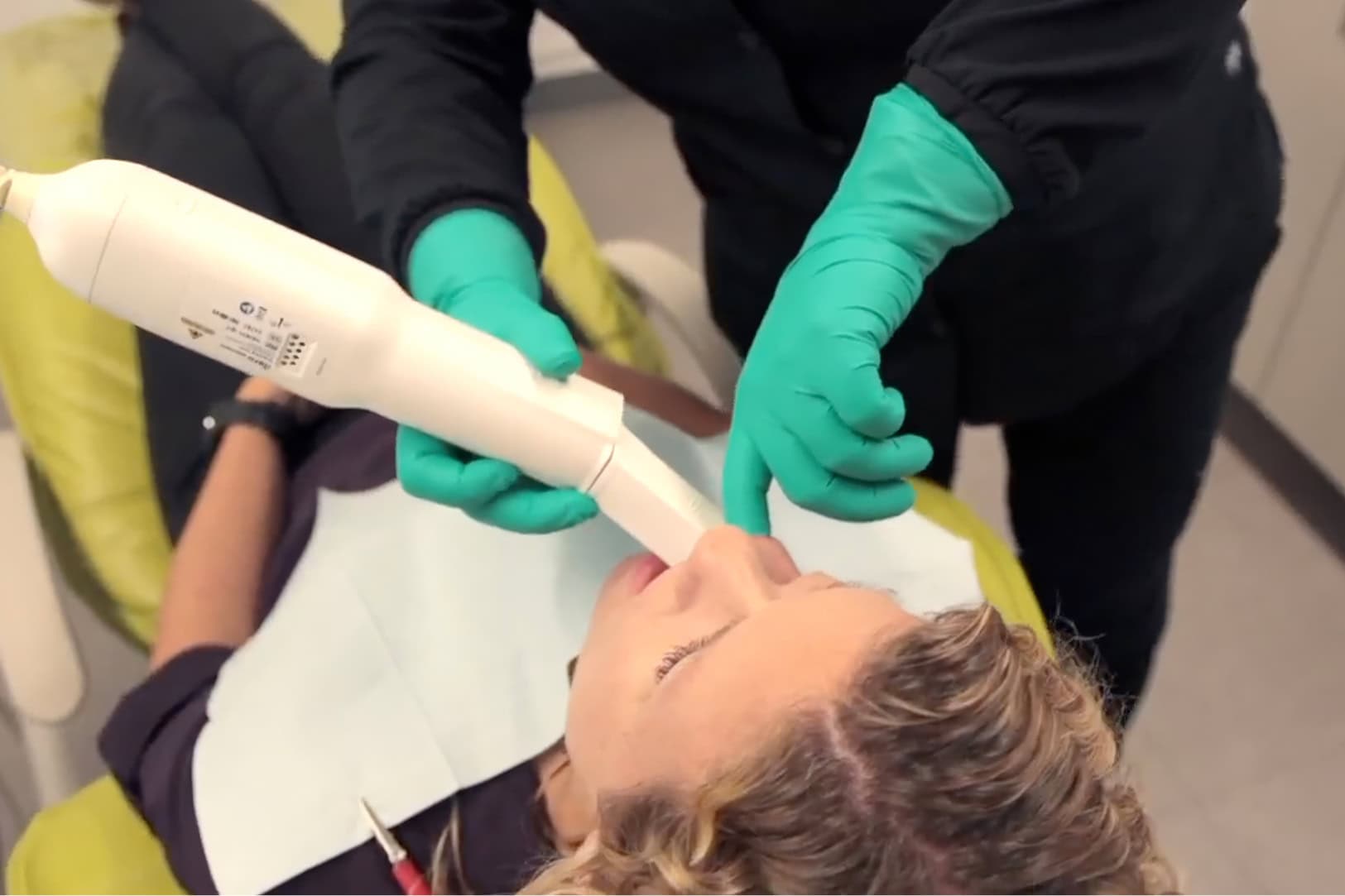
Tooth decay is one of the most common chronic conditions in children—but the good news is, it’s also one of the most treatable. When a cavity does develop, dental fillings are a safe and effective way to restore the tooth and prevent further damage. For families in Virginia Beach, knowing what to expect during your child’s filling appointment can help take the fear out of the process—for both you and your child.
Whether it’s your child’s first cavity or part of a larger treatment plan, modern pediatric dentistry makes dental fillings gentle, durable, and tailored for growing smiles.
Why Do Kids Need Dental Fillings?
Even with regular brushing and good habits, cavities can still happen. Tooth decay forms when bacteria in the mouth feed on sugars and produce acids that wear down tooth enamel. Once the decay creates a hole—or “cavity”—in the tooth, a dental filling is needed to repair the damage.
Without treatment, cavities can:
- Grow larger and affect more of the tooth structure
- Lead to pain, sensitivity, or infection
- Spread to other teeth
- Cause premature loss of baby teeth, affecting permanent tooth alignment
Fillings are a simple but powerful way to stop decay in its tracks and preserve your child’s oral health.
Common Causes of Cavities in Children
Understanding what causes cavities can help prevent future ones. Some of the most common risk factors include:
- Sugary foods and drinks — Frequent snacking on candy, juice, or soda increases acid production
- Poor brushing technique — Kids may miss hard-to-reach spots, especially in the back teeth
- Deep grooves in molars — These are more prone to trapping food and bacteria
- Infrequent dental visits — Skipping cleanings and exams can delay the detection of early decay
- Dry mouth or mouth breathing — Can reduce natural saliva, which helps wash away food particles
Fortunately, with the right care and regular dental visits, cavities can often be caught early and treated easily.
What to Expect During a Pediatric Dental Filling
For many kids (and parents), the idea of a filling might seem scary. But modern pediatric dentistry focuses on making the experience calm, quick, and virtually painless.
Here’s what typically happens during a filling appointment:
1. Numbing the Area
Your child’s dentist will apply a local anesthetic to numb the area around the tooth. For very young or nervous children, nitrous oxide (laughing gas) may also be used to help them relax during the procedure.
2. Removing the Decay
Once the area is numb, the dentist gently removes the decayed portion of the tooth using specialized instruments. This step ensures that all bacteria and weakened enamel are cleaned out before placing the filling.
3. Placing the Filling
After the tooth is cleaned and shaped, a tooth-colored filling material—often composite resin—is placed in layers. Each layer is hardened with a special light, then shaped and polished to match your child’s bite.
4. Checking the Bite
The dentist will ensure your child’s bite feels normal and make minor adjustments if needed. Your child can eat and drink normally once the numbness wears off.
The entire procedure usually takes less than an hour, depending on the size and location of the cavity.
Types of Dental Fillings for Children
Pediatric dentists choose filling materials based on the child’s age, the location of the cavity, and how visible the tooth is when smiling.
Common options include:
- Composite resin (tooth-colored) — Blends naturally with the tooth and is commonly used for front or visible teeth.
- Glass ionomer — Releases fluoride to help strengthen the tooth and may be used for small cavities or baby teeth.
- Amalgam (silver) — Durable and long-lasting, but less commonly used in pediatric dentistry today due to aesthetic preferences.
Your dentist will recommend the best option based on your child’s needs.
Are Fillings Safe for Baby Teeth?
Yes—baby teeth may be temporary, but they serve important roles in speech development, chewing, and guiding permanent teeth into position. If left untreated, decay in baby teeth can lead to pain, infection, or premature loss, which can affect future oral development.
Placing a filling in a baby tooth helps protect the tooth until it’s naturally ready to fall out and supports your child’s long-term dental health.
How to Prevent Future Cavities
While dental fillings are highly effective, prevention is always the goal. After treatment, your child’s dental team will provide tips for maintaining a cavity-free smile.
Here’s what parents can do at home:
- Help your child brush twice a day — Especially until they’re able to do it thoroughly on their own
- Encourage daily flossing — Even baby teeth can trap food and bacteria between them
- Limit sugary snacks and drinks — Especially sticky foods like gummies or caramels
- Offer water between meals — This helps rinse away food particles and acid
- Schedule regular cleanings and exams — Every 6 months, or more often if recommended
Dental sealants may also be suggested to protect back molars from decay.
Pediatric Dental Fillings in Virginia Beach, VA
If your child is experiencing tooth pain, sensitivity, or has a visible cavity, it’s important to seek treatment as soon as possible. Pediatric dental fillings are a fast, effective way to relieve discomfort and restore your child’s ability to eat, speak, and smile with confidence.
For families in Virginia Beach, having access to gentle, kid-friendly care makes all the difference.
Need a dental filling for your child in Virginia Beach?
ICON Smile Studios provides pediatric dental fillings at our Town Center and Red Mill locations in Virginia Beach. Our team creates a calm, compassionate experience for children of all ages—making sure both you and your child feel confident in their care.
Schedule your child’s dental appointment at ICON Smile Studios today and let us help restore their smile safely and effectively.