
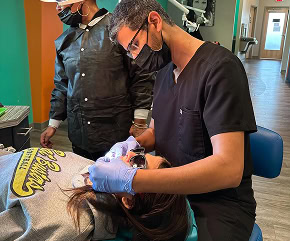
Dental crowns aren’t just for adults. In pediatric dentistry, crowns play a key role in protecting damaged or weakened teeth—whether they’re baby teeth or permanent ones just starting to grow in. When a child’s tooth is severely decayed, cracked, or at risk of falling apart, a dental crown can help restore its function, shape, and strength.
For families in Virginia Beach, understanding when and why a child might need a dental crown can help you make informed decisions and keep your child’s smile healthy and confident.
What Is a Dental Crown?
A dental crown is a tooth-shaped “cap” that is placed over a damaged tooth to restore its shape, size, and function. In children, crowns are often used to:
- Protect a tooth with deep decay that can’t support a filling
- Reinforce a cracked or fractured tooth
- Restore a tooth after a baby root canal (pulp therapy)
- Prevent further damage in a high-risk tooth
Crowns are especially helpful in preserving baby teeth that are not yet ready to fall out—maintaining proper spacing for permanent teeth and supporting normal speech and chewing.
When Do Kids Need Dental Crowns?
Not every cavity or chip requires a crown. In many cases, small areas of decay can be treated with a simple filling. But when the damage is more extensive, a crown may be the best option.
Here are common reasons a pediatric dentist might recommend a crown:
- Large cavities — When too much of the tooth is decayed to support a filling
- After a baby root canal — To seal and protect the tooth long-term
- Weak enamel — In children with developmental enamel defects
- Fractured teeth — Especially after trauma to the mouth
- Multiple cavities in the same tooth — Repeated decay can weaken the structure over time
Crowns provide durability and protection that fillings alone can’t offer, especially on back teeth where chewing forces are stronger.
Types of Dental Crowns for Children
Pediatric dental crowns are designed with both function and aesthetics in mind. The right type depends on the location of the tooth, the child’s age, and the durability required.
Stainless Steel Crowns
- Often used for baby molars
- Very strong and durable
- Typically used on back teeth where they’re less visible
- Cost-effective and reliable for long-term protection
Tooth-Colored (White) Crowns
- Made from zirconia or composite resin
- Aesthetic option for front teeth
- Matches natural tooth color
- Preferred when appearance is a concern
Your pediatric dentist will recommend the most appropriate crown type based on your child’s specific situation and treatment needs.
What to Expect During a Pediatric Crown Procedure
The process of placing a crown on a child’s tooth is straightforward and typically completed in one visit.
Here’s a step-by-step overview:
1. Numbing the Area
Local anesthesia is used to numb the tooth and surrounding tissue. For anxious or young children, sedation options like nitrous oxide (“laughing gas”) may be available to help them relax.
2. Removing Decay or Infection
The dentist removes any decayed or damaged parts of the tooth and shapes it so the crown can fit securely.
3. Crown Placement
The pre-formed crown is placed over the tooth, adjusted for fit and bite, and then cemented in place using a dental adhesive.
4. Final Adjustments
Your child’s bite will be checked to ensure the crown feels comfortable. The dentist may make minor adjustments to ensure it fits naturally.
Most appointments take less than an hour, and kids can return to normal activities the same day.
Caring for Dental Crowns in Children
Crowns are strong, but they still require proper care to last. Help your child maintain a healthy smile by:
- Brushing twice a day with fluoride toothpaste
- Flossing daily (or using floss picks for easier access)
- Avoiding sticky or hard candies that can loosen or damage crowns
- Attending regular checkups to monitor the crown and surrounding teeth
With proper care, crowns on baby teeth can last until the tooth naturally falls out.
Are Dental Crowns Safe for Baby Teeth?
Yes—crowns are a safe and effective treatment for baby teeth when decay or damage is too extensive for a filling. Even though baby teeth are temporary, they serve critical functions:
- Helping your child chew and speak properly
- Holding space for permanent teeth
- Supporting jaw development
Losing a baby tooth too early due to decay can lead to misalignment or crowding later on. Crowns help preserve those teeth until it’s naturally time for them to fall out.
Does Getting a Crown Hurt?
The crown procedure is not painful. With local anesthesia and gentle pediatric techniques, your child should feel little to no discomfort during the process. Afterward, there may be some mild soreness, but it typically resolves within a day or two.
Your dental team will provide instructions for managing any post-treatment sensitivity and ensure your child is comfortable throughout their care.
Dental Crowns for Kids in Virginia Beach, VA
Virginia Beach families know that active, growing kids can experience all kinds of dental challenges—from cavities to bumps, falls, and everything in between. Having access to a pediatric dental team that offers strong, reliable restorative care can make a big difference in protecting your child’s long-term oral health.
If your child has been recommended for a crown—or is showing signs of discomfort, sensitivity, or visible decay—don’t delay treatment. Addressing problems early helps prevent more serious complications down the road.
Looking for dental crowns for kids in Virginia Beach?
ICON Smile Studios provides pediatric dental crowns at our Town Center and Red Mill locations in Virginia Beach. Our experienced pediatric team uses gentle techniques and durable materials to restore and protect growing smiles—with a focus on comfort, safety, and long-term results.
Schedule your child’s appointment today and let ICON Smile Studios help keep their smile strong, healthy, and confident.